








Museo de Sitio de Cuetlajuchitlán
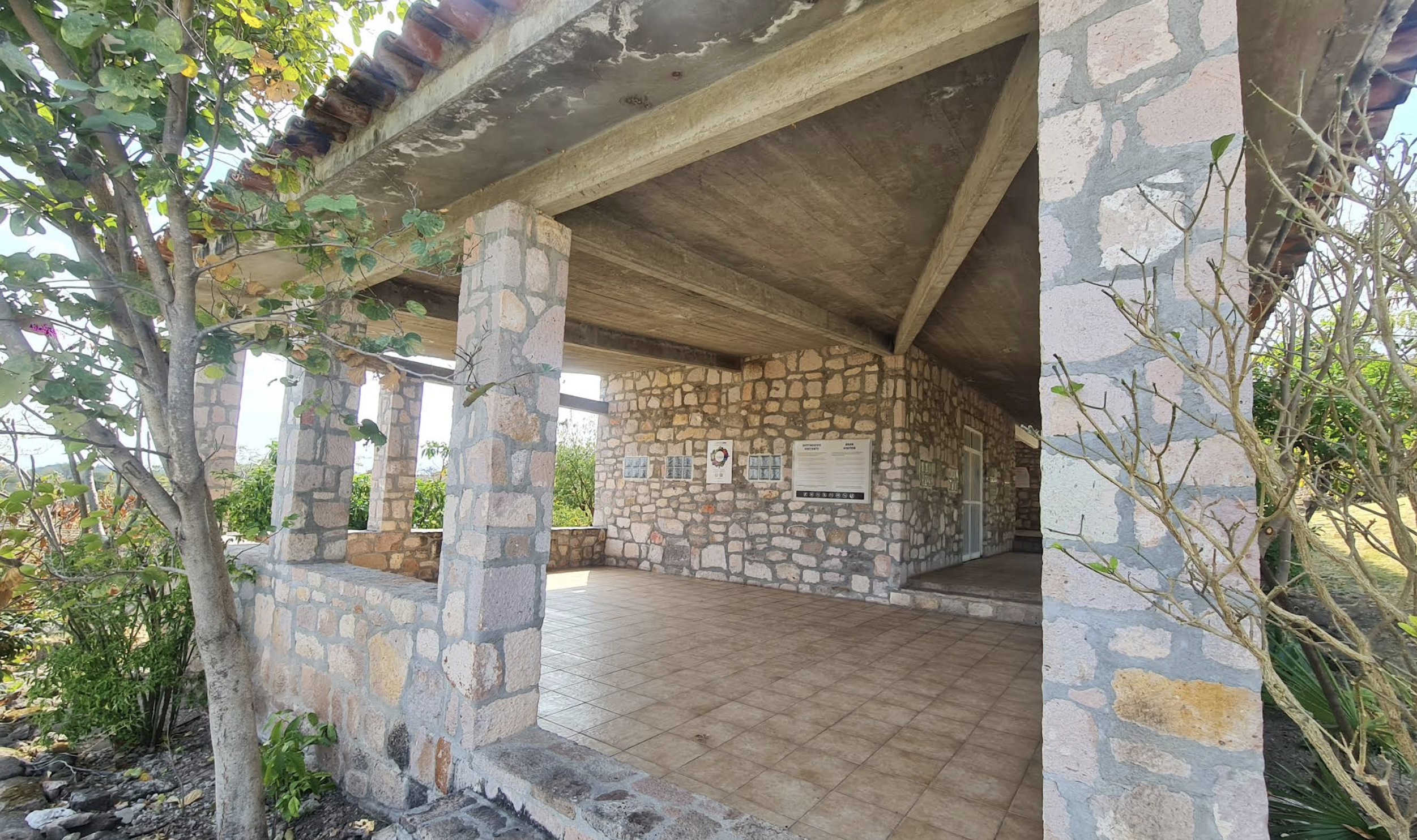
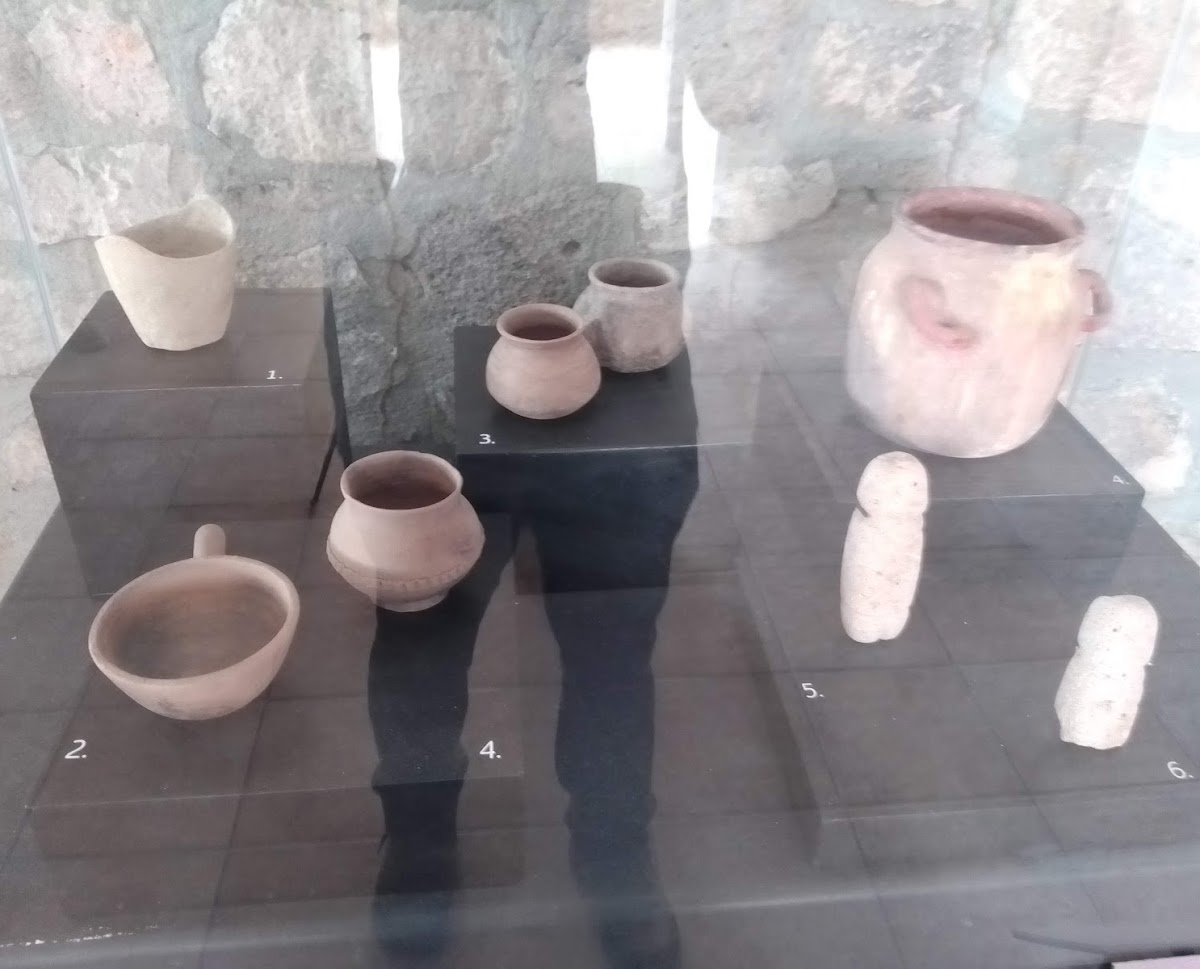
A small museum that complements a visit to the Cuetlajuchitlán Archaeological Site, displaying artifacts such as pottery, tools, and figurines found at the site. Its main purpose is to explain how the ancient societies that inhabited the area between 800 B.C. and 300 A.D. lived, highlighting their urban organization, cultural development, and advanced water management systems.
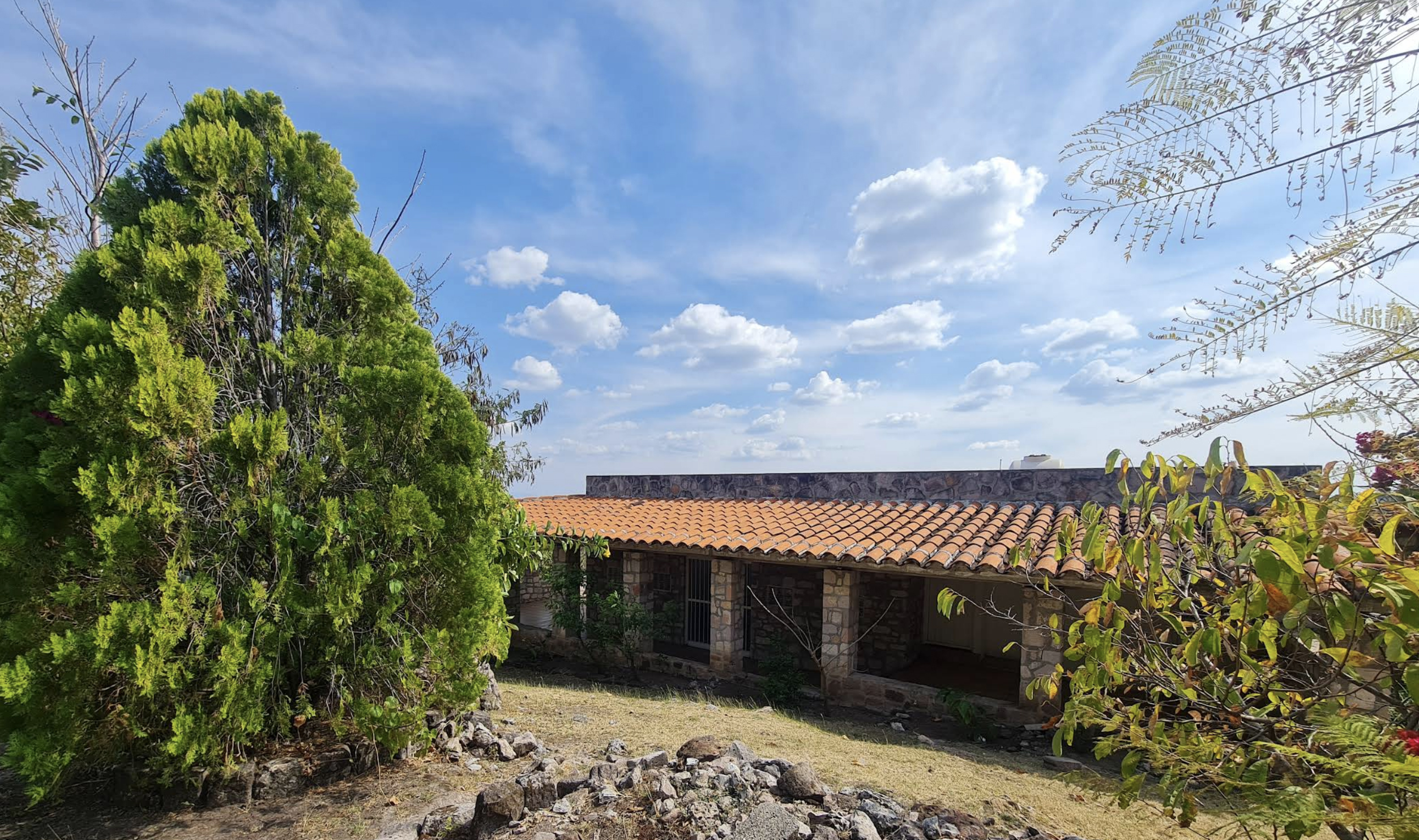
A cultural space dedicated to the preservation and dissemination of archaeological finds from the nearby Cuetlajuchitlán Archaeological Site, a pre-Hispanic settlement of great historical significance in the northern region of the state of Guerrero. Although small in size, this museum plays a fundamental role by providing the necessary context to understand the life, organization, and development of the ancient societies that inhabited this site between approximately 800 B.C. and 300 A.D., during the Preclassic period and part of the early Mesoamerican Classic period.
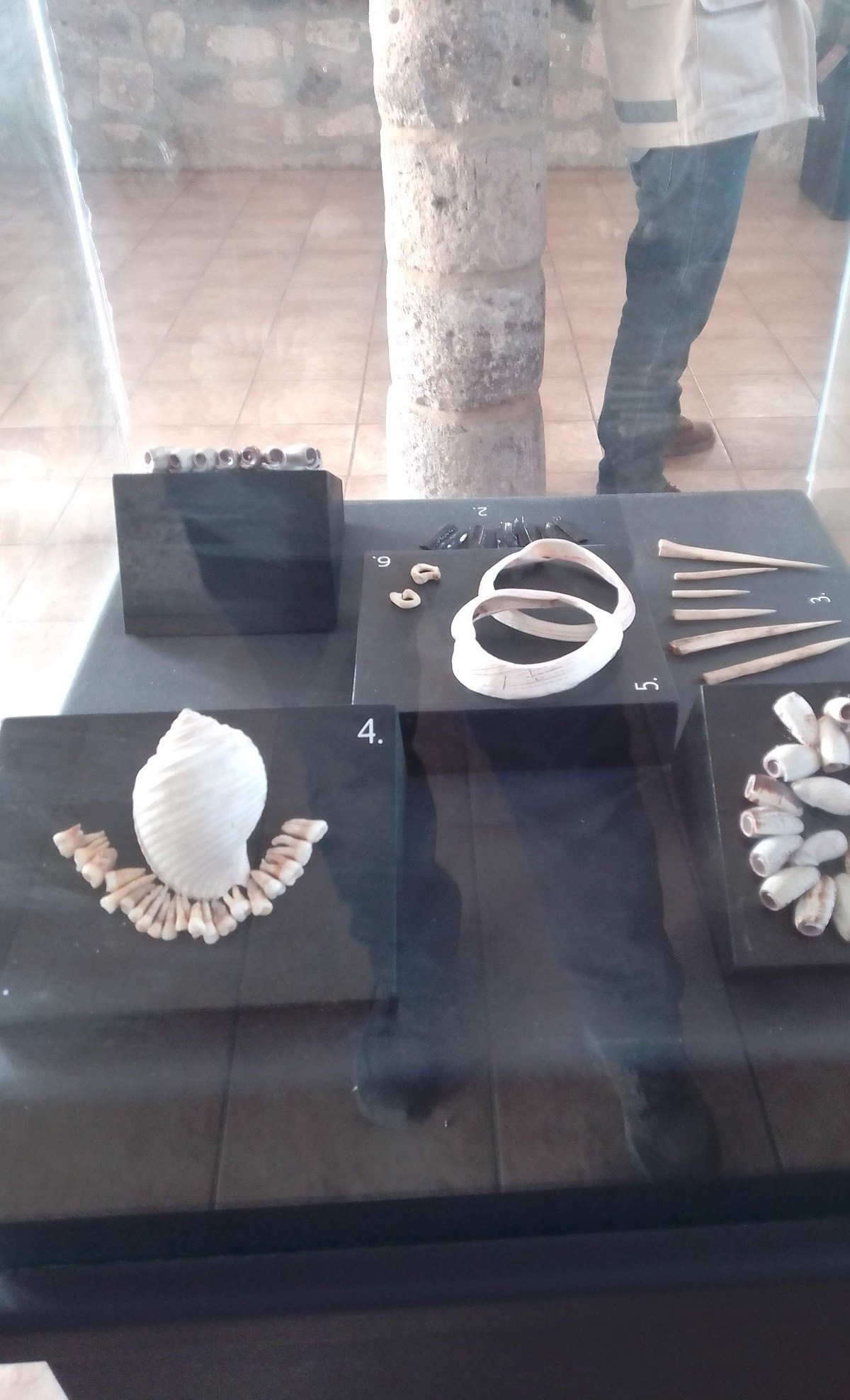
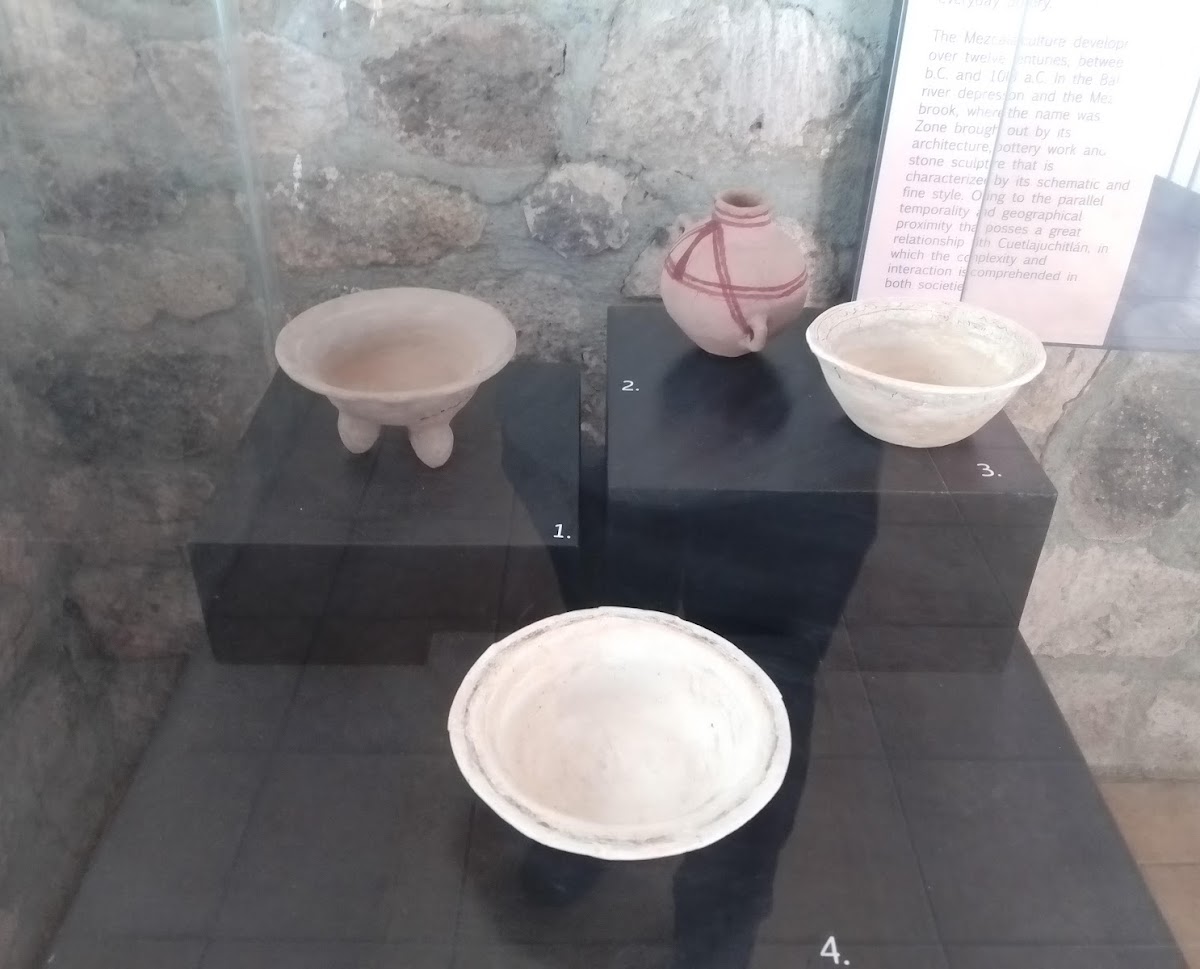
Inside, various objects recovered from archaeological excavations are on display, such as ceramic pieces, stone tools, figurines, and architectural fragments. These materials allow for the reconstruction of aspects of daily life, ritual practices, and the economic activities of the ancient inhabitants. The museum also explains the importance of Cuetlajuchitlán as a planned urban center, with a remarkable spatial organization that included plazas, sunken courtyards, and well-defined circulation systems, evidence of a high level of social and technical development.
One of the site’s most notable features—which the museum helps to interpret—is its hydraulic engineering system. The remains of canals and drainage systems show that its inhabitants possessed advanced knowledge of water management, which allowed them to adapt effectively to their environment. Furthermore, the settlement’s strategic location suggests it was a key hub on trade routes connecting different regions of Mesoamerica, fostering cultural interaction with groups such as the Olmecs and the indigenous traditions of the Guerrero region.
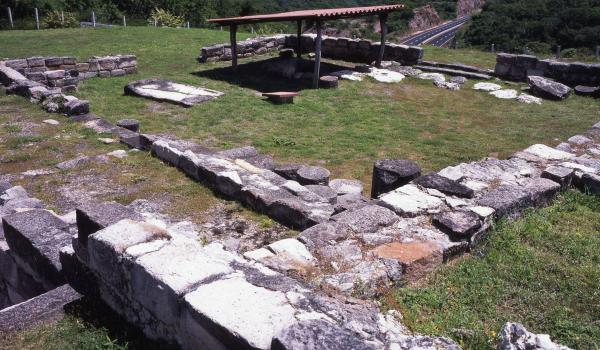
The museum visit is complemented by a tour of the archaeological site, where well-preserved stone structures offer a glimpse into urban life of the time. Unlike other more monumental sites, Cuetlajuchitlán offers a more intimate and direct experience, allowing visitors to imagine more clearly what life was like in an ancient Mesoamerican city. Together, the museum and the archaeological site constitute an important testament to Mexico’s pre-Hispanic past and a valuable opportunity to learn about a lesser-known but equally significant facet of its cultural heritage.
- Dirección del Centro INAHHéctor Romeo Torres Calderónhector_torres@inah.gob.mx+52 (747) 471 7121